
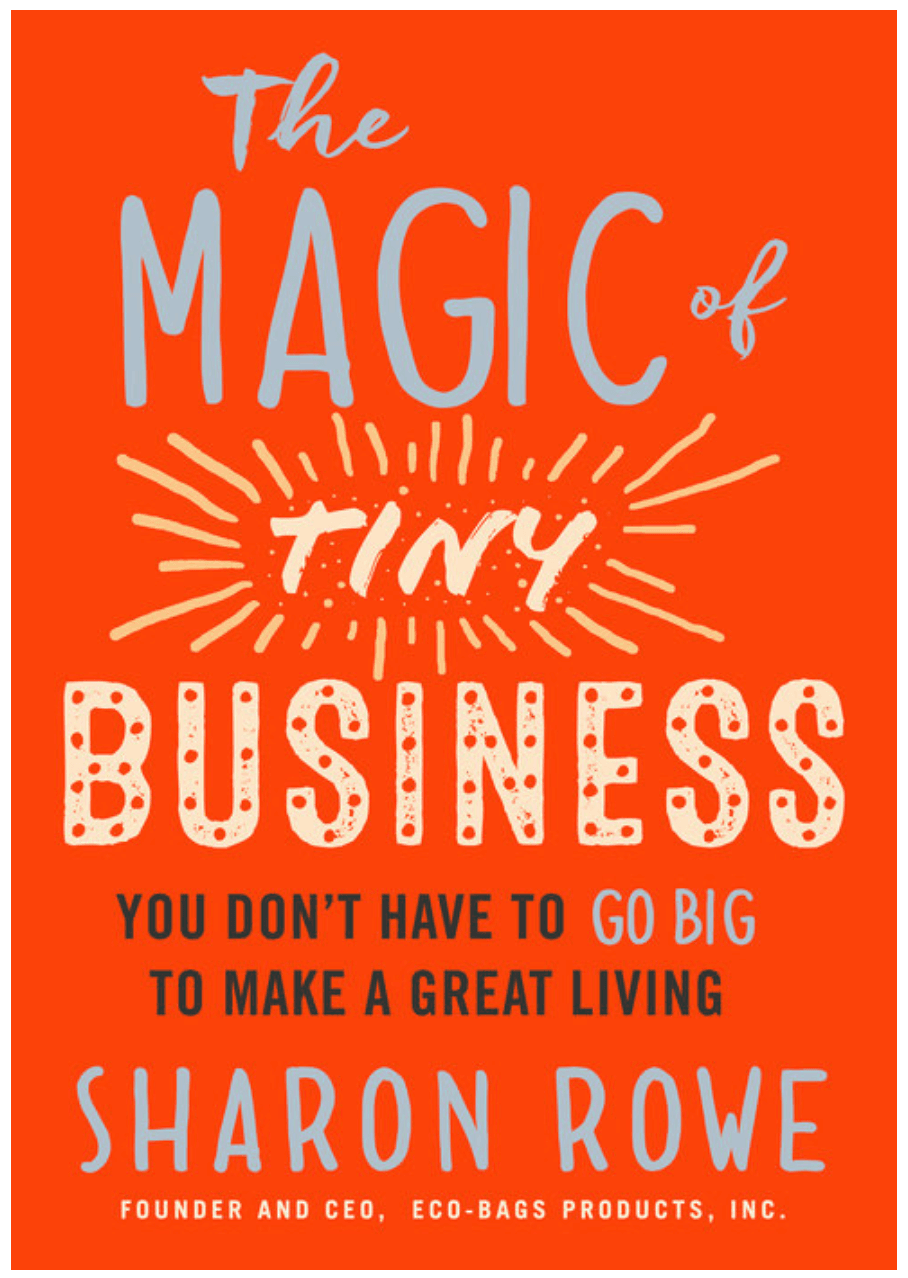
Embracing Small: How "The Magic of Tiny Business" Can Transform Your Entrepreneurial Journey"
I'm delighted to share my thoughts on a truly impactful book, "The Magic of Tiny Business" by Sharon Rowe. As a steadfast advocate for small businesses, this book offered a wealth of insightful perspectives that can benefit any entrepreneurial journey. Today, I'll share some key takeaways, alongside real-life examples to bring these principles to life.
Starting Small, Dreaming Big
At the heart of Rowe's message is the power of starting small. Think of how successful food trucks have become. Their compact operations allow owners to focus on the quality of their products and services. Rowe herself built a successful business selling eco-friendly tote bags, deliberately maintaining a small, manageable company that catered to her lifestyle, not the other way around. This approach yields less stress, greater happiness, and a sustainable business model.
Harnessing the Power of a Lean Business Model
Rowe's book extols the virtues of a lean business model. Consider how many digital nomads manage their freelance businesses. They work with minimal resources, often just a laptop and internet connection, yet produce maximum output. By focusing on necessary operations and eliminating waste, businesses can achieve unparalleled efficiency.
Prioritizing Work-Life Balance
Amidst the hustle of our fast-paced world, the book reminds us of the importance of work-life balance. Remember the story of Basecamp, a software company whose founders explicitly prioritize employee well-being and work-life balance. A balanced life fosters creativity, productivity, and overall satisfaction.
Unleashing Passion and Purpose
Rowe emphasizes the significance of passion and purpose in business. For example, TOMS Shoes, founded by Blake Mycoskie, was built around the purpose of providing shoes to underprivileged children. This strong sense of purpose not only drives the company but also attracts customers who share the same values.
Upholding Financial Responsibility
Financial responsibility is another pillar of Rowe's philosophy. She advises keeping overhead costs low and pursuing financial sustainability. Take the example of Spanx, a company started by Sara Blakely with her savings of $5,000. She avoided unnecessary debt, enabling her to have more control over her business's direction.
Championing Sustainable Practices
The book accentuates the role of businesses in supporting sustainable practices. Rowe's business of eco-friendly tote bags reflects this commitment. Patagonia, another company with a strong environmental focus, has built a loyal customer base that appreciates its eco-conscious products.
Building Strong Customer Relationships
Rowe underscores the importance of nurturing relationships with customers. Small businesses, like your local family-owned bakery, often have a stronger connection with their customers, fostering loyalty and repeat business.
In conclusion, "The Magic of Tiny Business" is a beacon for those who believe in achieving success without sacrificing personal values, financial stability, or quality of life. It presents a compelling narrative challenging the conventional "bigger is always better" approach, uncovering the true magic inherent in 'tiny.'
I highly recommend this book to all small business owners and budding entrepreneurs. Let's all embrace the magic in tiny businesses!